
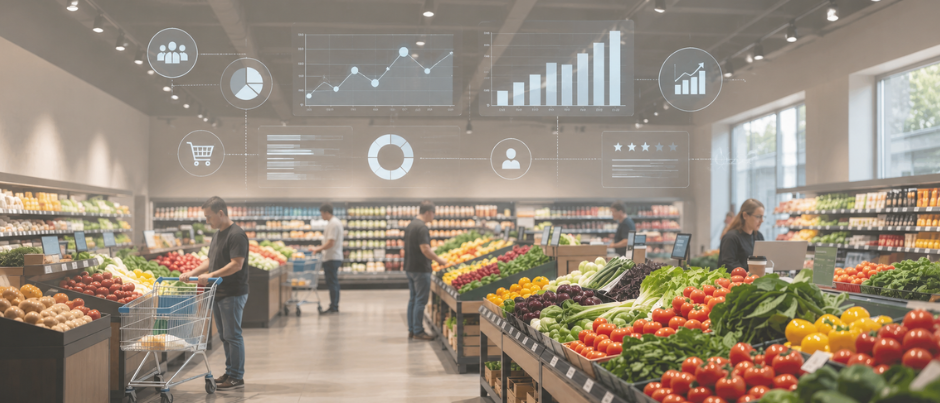
Consumers today expect more than great products and competitive prices. They expect retailers to understand their preferences, recognize their shopping habits, and deliver experiences that feel relevant. Whether they are browsing online, shopping in store, or using a mobile app, personalization has become an expectation rather than a luxury.
Retailers generate vast amounts of customer data every day, but collecting data alone does not create value. The real advantage comes from transforming that information into meaningful consumer insights that guide better business decisions. By understanding why customers make purchasing decisions, retailers can create personalized shopping experiences that strengthen relationships, improve loyalty, and drive long term growth.
What Are Consumer Insights?
Consumer insights are the meaningful interpretations of customer behavior, preferences, motivations, and purchasing patterns that help businesses make informed decisions. While customer data tells retailers what happened, consumer insights explain why it happened.
For example, sales data may show that a customer regularly purchases organic snacks. Consumer insights go one step further by revealing that the customer values healthier food options and prefers sustainable products. Understanding these motivations allows retailers to create more relevant marketing campaigns and shopping experiences.
Consumer insights are gathered from a variety of sources, including purchase history, loyalty programs, point of sale systems, website activity, customer feedback, surveys, and social media interactions. When combined, these data points provide a complete picture of customer behavior and expectations.
Why Consumer Insights Matter in Modern Retail
Retail is becoming increasingly customer-driven. Today’s shoppers expect brands to recognize their preferences and deliver experiences that feel personal across every interaction.
Businesses that effectively use consumer insights can better understand changing customer expectations, improve the overall shopping experience, and make faster, more informed business decisions. Instead of relying on assumptions, retailers can identify patterns in customer behavior and respond with products, promotions, and services that are more relevant.
Consumer insights also help retailers stay ahead of changing market trends. As customer expectations continue to evolve, businesses that understand their consumers are better positioned to build stronger relationships and maintain a competitive advantage.
Key Sources of Consumer Insights
Retailers collect valuable information through multiple customer touchpoints. Some of the most common sources include:
● Purchase history and transaction data
● Loyalty program activity
● Point of sale systems
● Website and mobile app behavior
● Customer reviews and surveys
● Social media interactions
● Customer service conversations
When these sources are analyzed together, they reveal patterns that help retailers better understand customer preferences and make smarter business decisions.
Types of Consumers Retailers Should Understand
Not every customer shops for the same reasons. Identifying different consumer types allows retailers to create more relevant products, promotions, and experiences.
Some common consumer segments include:
● Loyal Consumers who frequently return and actively engage with loyalty programs.
● Value Driven Shoppers who prioritize discounts, promotions, and savings.
● Health Conscious Consumers who prefer fresh, organic, or sustainable products.
● Convenience Focused Shoppers who value fast checkouts, online ordering, and seamless shopping experiences.
Understanding these consumer groups helps retailers develop stronger personalized marketing strategies that improve customer engagement and encourage long term loyalty.
Turning Consumer Insights into Personalized Shopping Experiences
The true value of consumer insights lies in how retailers use them. Rather than treating every customer the same, businesses can create shopping experiences tailored to individual preferences and purchasing behavior.
For example, if a customer regularly buys gluten free products, recommending newly launched gluten free items or offering personalized discounts is far more effective than sending generic promotions. Likewise, shoppers who frequently purchase baby products may appreciate recommendations for complementary items based on their previous purchases.
Retailers can also personalize loyalty rewards, email campaigns, digital coupons, and product recommendations using consumer insights. These experiences make customers feel understood and valued, increasing the likelihood that they will continue shopping with the brand.
Effective personalized marketing is not about sending more promotions. It is about delivering the right message to the right customer at the right time. When retailers understand what motivates their customers, every interaction becomes more meaningful.
How Retail Analytics Powers Personalization
While consumer insights explain customer behavior, retail analytics provides the technology needed to uncover those insights.
Retail analytics collects and analyzes customer and operational data to identify purchasing patterns, measure campaign performance, forecast demand, and evaluate customer behavior. Instead of manually reviewing reports, retailers gain real time visibility into what customers buy, when they shop, and which promotions generate the highest engagement.
Modern analytics platforms also help businesses identify high value customer segments, recommend personalized offers, and predict future shopping behavior. As artificial intelligence continues to evolve, retail analytics is enabling retailers to anticipate customer needs before they arise, making personalization even more effective.
Consumer Insight Driven Marketing vs Traditional Marketing
| Traditional Marketing | Consumer Insight-Driven Marketing |
|---|---|
| Same promotion for every customer | Personalized offers based on customer preferences |
| Broad customer segments | Individual customer behavior and interests |
| Decisions based on assumptions | Decisions backed by consumer insights |
| Generic communication | Relevant and timely messaging |
| Lower customer engagement | Higher customer engagement and stronger loyalty |
Benefits of Personalized Shopping Experiences
Turning consumer insights into personalized shopping experiences benefits both retailers and customers. When shoppers receive relevant recommendations, promotions, and communications, they are more likely to engage with the brand, return for future purchases, and develop long term loyalty.
Better Customer Engagement
Personalized experiences naturally lead to stronger customer engagement. Customers are more likely to interact with brands that understand their preferences and deliver content that is relevant to their needs.
For example, a customer who regularly purchases pet supplies is far more likely to respond to promotions for pet food or accessories than to generic discounts. Similarly, recommending complementary products based on previous purchases makes shopping easier while encouraging customers to explore more of what the retailer offers.
Meaningful interactions like these build trust and create stronger relationships between retailers and their customers.
Higher Customer Retention
Acquiring new customers is important, but retaining existing ones is often more cost effective. Consumer insights help improve customer retention by enabling retailers to create experiences that encourage customers to return.
Loyalty programs become significantly more effective when supported by consumer insights. Instead of offering the same rewards to every shopper, retailers can personalize incentives based on shopping habits, purchase frequency, and customer preferences.
Customers who consistently receive relevant offers are more likely to remain loyal, increase their spending over time, and recommend the brand to others.
Improved Shopping Experience
A great shopping experience is about more than convenience. It is about making every interaction feel simple, relevant, and enjoyable.
Consumer insights help retailers simplify product discovery, recommend products customers are likely to need, and reduce the effort required to find them. Whether customers are shopping in store or online, these personalized experiences save time while making every interaction feel more valuable.
Supporting Omnichannel Retail
Today’s consumers move effortlessly between physical stores, ecommerce websites, and mobile applications. They expect a consistent experience regardless of where they choose to shop.
Consumer insights support omnichannel retail by connecting customer data across multiple touchpoints. This enables retailers to deliver consistent pricing, personalized recommendations, and targeted promotions across every channel while maintaining a unified view of the customer journey.
How RSA America Helps Retailers Turn Consumer Insights into Action
Collecting customer data is only the beginning. The real opportunity lies in transforming that information into meaningful business decisions that improve customer experiences and business performance.
RSA America helps retailers unlock the full value of consumer insights by bringing together data from POS systems, loyalty programs, digital commerce platforms, and customer interactions into a single, unified view. This allows retailers to better understand customer behavior, identify emerging shopping trends, and create personalized experiences that strengthen customer relationships.
Using advanced retail analytics, RSA America helps businesses improve customer engagement, optimize personalized marketing campaigns, strengthen customer retention, and support omnichannel retail strategies. Instead of relying on disconnected reports and manual analysis, retailers gain actionable insights that drive smarter decisions across marketing, merchandising, and operations.
Conclusion
Modern retail is no longer defined solely by the products on the shelf. It is defined by how well retailers understand the people they serve.
Consumer insights give retailers a deeper understanding of customer behavior, preferences, and motivations, allowing them to create personalized shopping experiences that build trust, strengthen loyalty, and improve long term business performance. By combining these insights with retail analytics, businesses can make smarter decisions, increase customer engagement, improve customer retention, and deliver a seamless shopping experience across every customer touchpoint.
As customer expectations continue to evolve, personalization is no longer just a competitive advantage. It has become an essential part of modern retail success. Retailers that successfully transform consumer insights into meaningful experiences will be better positioned to strengthen customer relationships, increase revenue, and stay ahead in an increasingly competitive marketplace.
With solutions from RSA America, retailers can move beyond simply collecting customer data and begin using consumer insights to create experiences that are more personalized, more engaging, and more impactful.
Frequently Asked Questions
1. How do consumer insights improve personalized marketing?
Consumer insights help retailers understand customer preferences, shopping habits, and motivations, allowing them to deliver personalized promotions, product recommendations, and communications that are more relevant and effective.
2. What is the difference between customer data and consumer insights?
Customer data consists of raw information such as purchase history, browsing behavior, and loyalty activity. Consumer insights analyze that data to explain why customers behave the way they do and how retailers can respond more effectively.
3. How does retail analytics support consumer insights?
Retail analytics collects and analyzes customer and operational data to identify patterns, predict future behavior, and measure campaign performance. These insights help retailers make smarter, data-driven decisions.
4. What are some examples of consumer insights in retail?
Consumer insights can include identifying customers who prefer organic products, recognizing peak shopping times, understanding which promotions drive repeat purchases, or discovering that certain products are frequently purchased together. Retailers use these insights to improve marketing, merchandising, and the overall shopping experience.
5. Why is personalization important in retail?
Personalization improves customer engagement, strengthens customer retention, enhances the shopping experience, and helps retailers build stronger relationships with their customers by delivering experiences that are relevant to individual needs.